

RESIDENT SAFETY AND OPERATIONAL VALUE
Every call is someone asking for help. Every response is a carer doing their job well.
Your resident-safety systems should make both easier, and help you show it. When calls, responses and records work together, carers get clearer information, managers can see where time and pressure go, and your organisation has evidence it can stand behind with residents, families, inspectors and commissioners.
That evidence is where the commercial value comes from: fairer care-level and fee reviews, confident conversations with families and prospective residents, better-directed staff time, and equipment that is maintained rather than replaced early. Altus designs and delivers the systems, and the review process, that make it usable.
For care homes, retirement communities, extra-care and assisted-living providers.
Technology supports carers and their judgement. It never replaces them.

The cost is not only in the equipment
When calls, care records and maintenance sit apart, teams can repeat work while managers struggle to see where attention is needed. An unanswered alert, a recurring fault or an incomplete record each needs a clear owner.
Buying another system does not, by itself, resolve that. Start with how people request help, how staff respond and what evidence you need to improve the service.
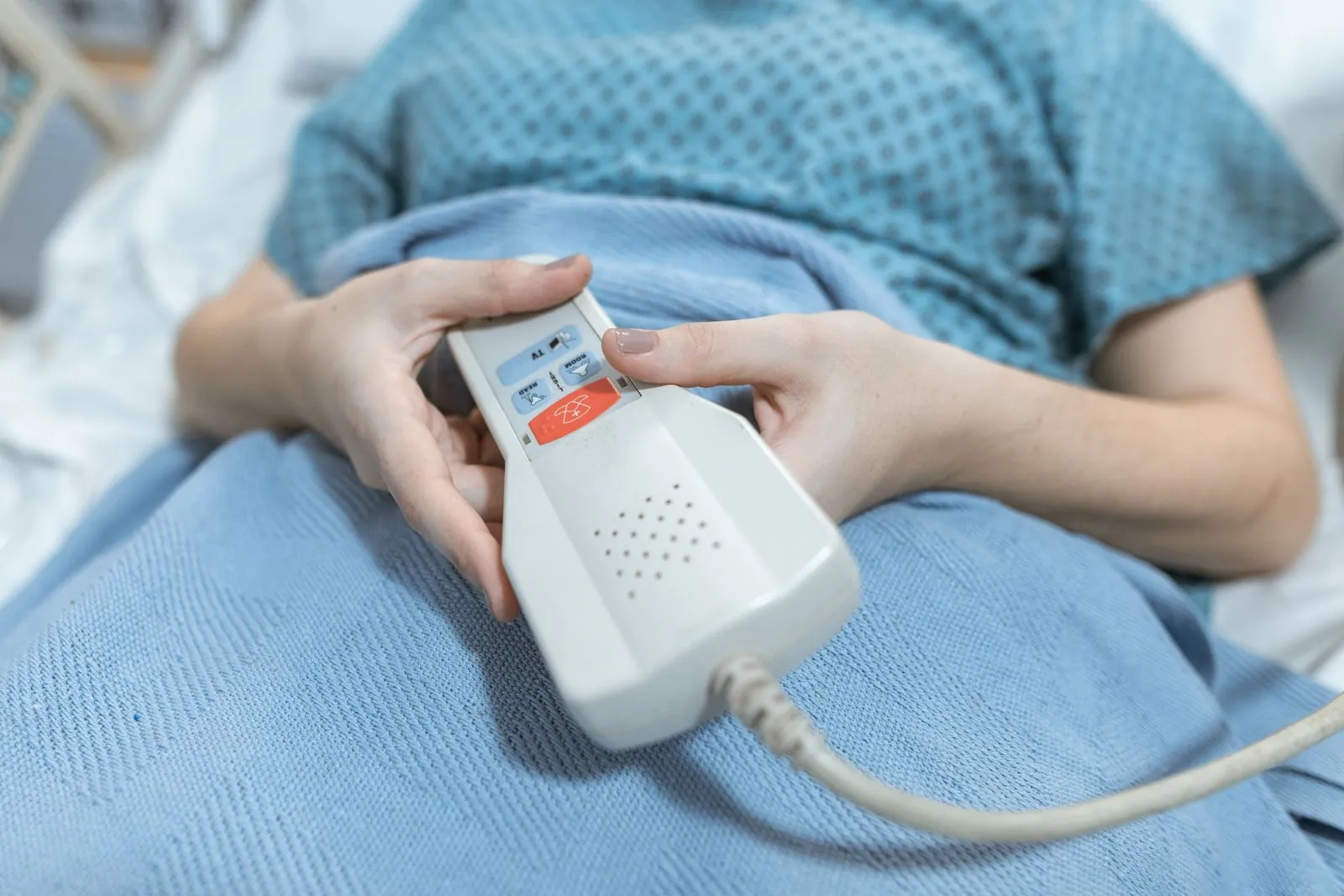
Start with the everyday work of care
A typical scheme is shaped around assistance calls, staff response, usable records and agreed support. The equipment, coverage, licences and delivery arrangements are assessed and confirmed for each site.
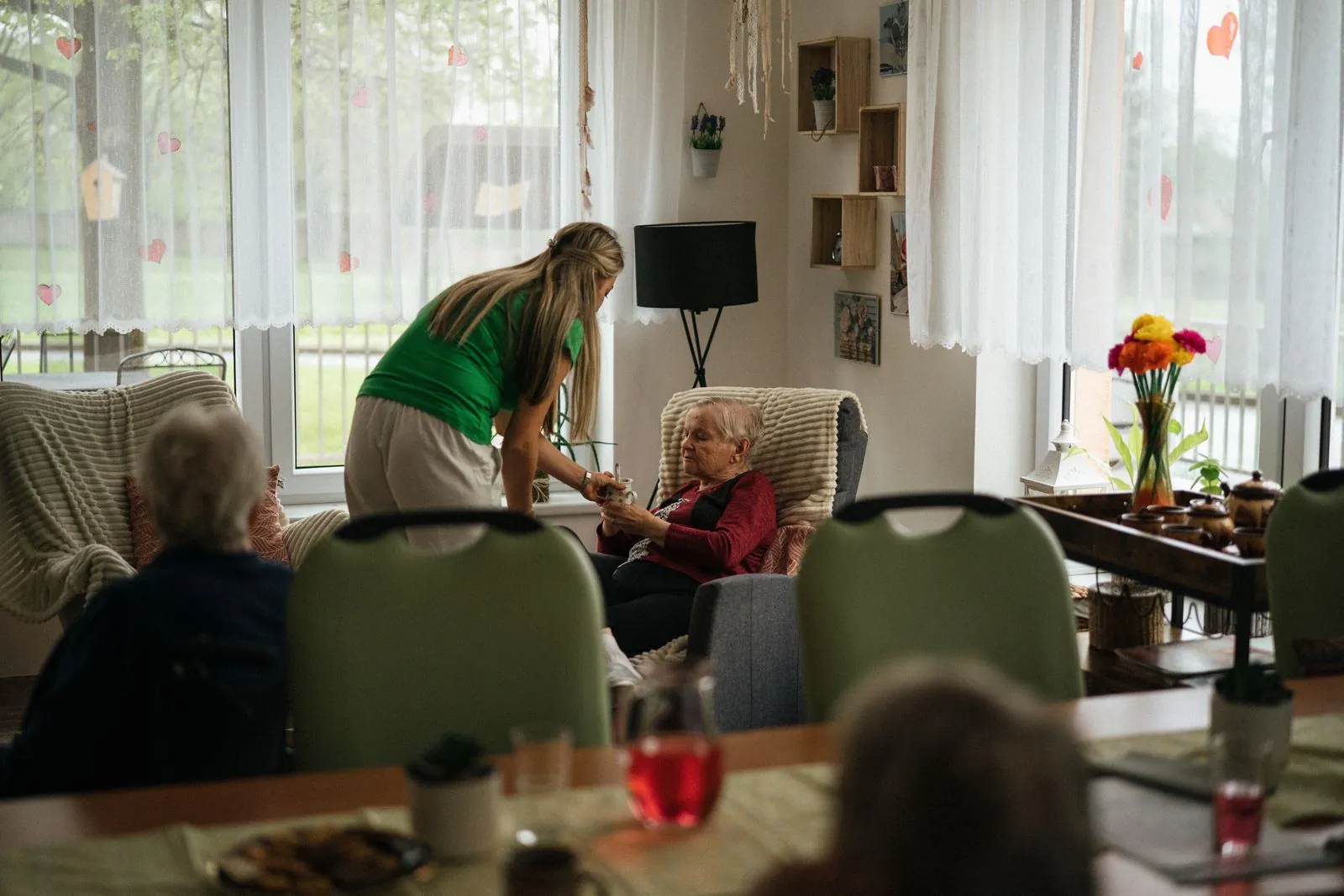
A clear way to ask for help
Problem: A resident cannot always reach a fixed call point, and staff may need assistance themselves.
Resolution: Assessed fixed call points and suitable wearable buttons provide routes to assistance. Staff help calls are configured around an agreed response plan. Wearables need to be worn, maintained and within tested coverage.
Operational value: Residents and carers have a clearer way to request support, with responsibilities agreed before use.
Useful information where staff are working
Problem: An alert at a desk may not reach the person who can help, or explain what is needed.
Resolution: Configured routing and priorities can send alerts to compatible staff devices. Two-way speech is available on suitable, configured equipment, subject to coverage and licensing.
Operational value: Staff can better understand and organise the response. Speech is not available from every device, and connectivity must be tested.
Records that support a fair review
Problem: A call history alone cannot explain attendance, care activity or pressure on the team.
Resolution: Suitable modules record staff attendance, selected care tasks and completed welfare rounds alongside call events. Response reports use agreed event definitions and depend on consistent recording.
Operational value: Managers can discuss demand and delays with staff, using records in context rather than scoring individuals. Recorded attendance does not prove care quality.
A clear owner for upkeep
Problem: Faults and configuration issues can remain unresolved when support responsibilities are unclear.
Resolution: Supported device and system status can flag faults for action. Agree maintenance, escalation of support issues and authorised remote diagnosis where appropriate.
Operational value: Teams know who should act and how to follow up. Coverage and response commitments belong in the support agreement.
Optional after assessment: help beyond a manual call
Problem: A resident may need help without pressing a button, or staff may need to locate them.
Resolution: Optional location support, agreed exit-zone alerts, suspected-fall alerts and configured prolonged-stay welfare alerts can be assessed for individual needs and site coverage.
Operational value: An additional alert can prompt a staff check. These options cannot detect or prevent every fall or incident and do not replace a care plan.
Individual suitability, resident choice and access to the data are agreed before any of these options are used.
Optional after assessment: fewer separate steps
Problem: Separate systems can mean repeated entries and fragmented communication.
Resolution: Care-system connections are designed and confirmed during survey. Optional resident and family communication and service-request recording need suitable modules, permissions and agreed workflows.
Operational value: A validated connection can reduce repeated entry; agreed communication and request records can help teams follow through. No connection to an existing care system is assumed.
One connected operational picture
Bring supported calls, alerts, attendance, recorded activity and faults into a configured view, then use agreed reports to understand response and workload. What can be brought together depends on the selected system and validated connections.
Unanswered-call escalation timers, fire/life-safety interfaces and care-system connections are designed and confirmed during survey. They are not assumed standard functions.
From compliance cost to operational value
The commercial case starts with evidence and a practical decision. We propose a review process that connects the available records to the questions below. Results depend on the service, data quality and action taken; revenue is never guaranteed.

Review care needs and fees fairly
Records of assistance actually given can inform a conversation about changing needs, the agreed care level and its cost. Review them with professional judgement and the resident’s circumstances. They do not set a fee automatically.
Give families a clearer explanation
Permissioned evidence can help explain the support a resident receives. An informed conversation can support confidence and continuity of stay, without promising an occupancy outcome.
Explain oversight at the enquiry stage
Appropriate, anonymised evidence of response and management review can help prospective residents and families understand how the service works. It supports an informed choice, not a promise of admissions.
Find where staff need support
Response-time and workload patterns can help managers discuss busy periods, repeated tasks and possible changes with carers. Test whether a change releases time for care. Use the evidence to support staff, never to score them.
Assess optional service packages
Where appropriate, records of agreed requests and services can help an operator assess demand, staffing, pricing and the viability of an optional package. Any offer and charge remain the operator’s decision, with no promise of new income.
Look after the investment already made
Survey existing cabling, networks and equipment before recommending replacement. Suitable infrastructure may be reused; a planned support arrangement can help manage its useful life. Confirm condition, compatibility and whole-life cost before deciding.
Evidence you can explain and act on
Agree what starts and ends a response measure, who records attendance and how incomplete records are handled. Review event history, response reports, recurring faults and actions with named owners.
Those records can support inspections, quality reviews and commissioning or funding conversations. They do not, alone, prove that care was appropriate or that a service is compliant. Compliance remains the operator’s legal duty.
Care and staff records need an agreed purpose, appropriate access and retention. Use the minimum necessary information in reports and external discussions.
A practical route from review to improvement
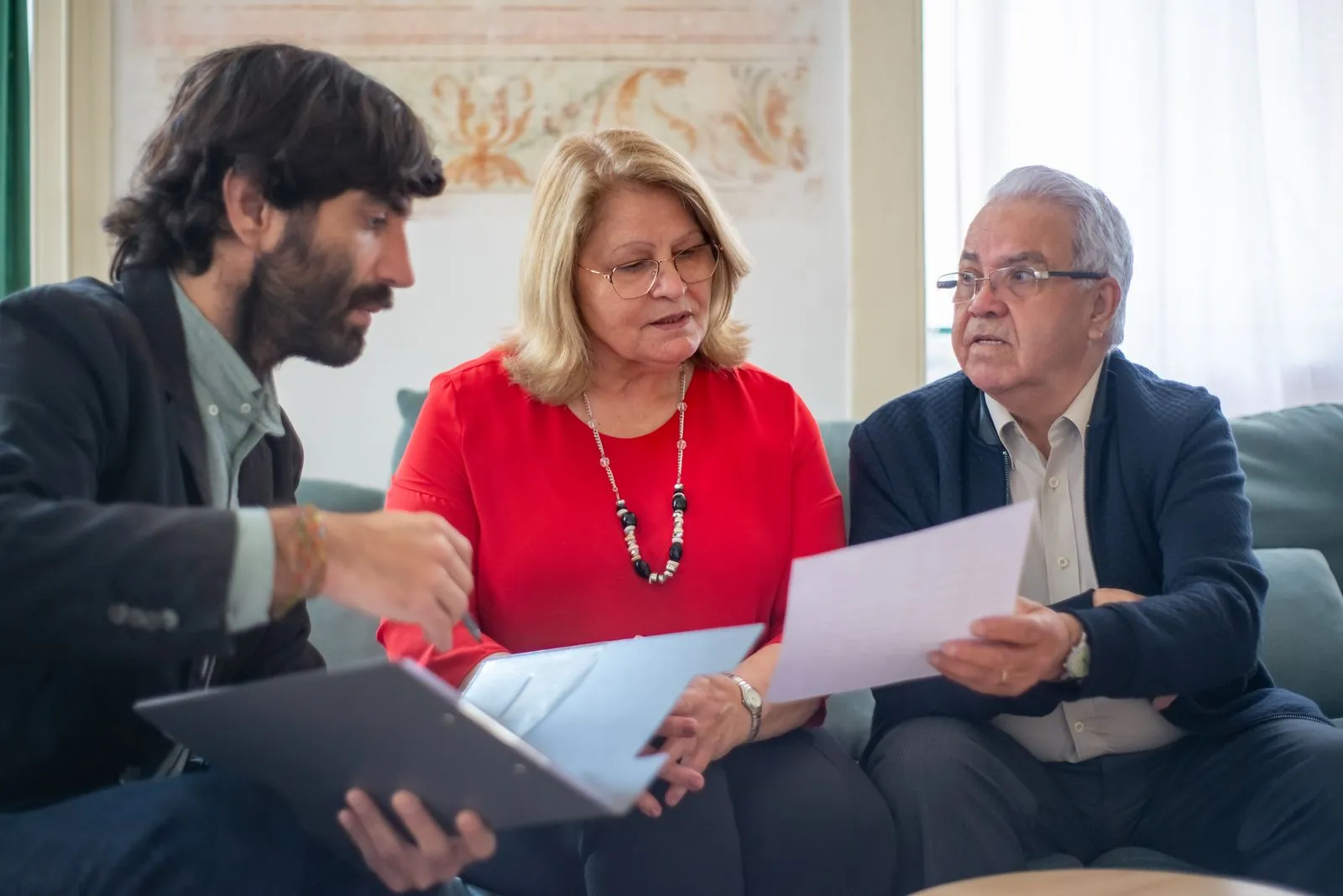
Discover
Understand residents’ needs, staff workflows, existing systems and the decisions your evidence should support.
Survey
Check coverage, infrastructure, compatibility and support needs. Design and confirm escalation timers and any proposed care-system or fire/life-safety interfaces during survey.
Design
Agree the equipment, response responsibilities, data arrangements and acceptance criteria before a delivery commitment.
Deliver
Coordinate the agreed installation with delivery partners, staff training and acceptance checks. Confirm the supply and support route for the chosen configuration.
Measure
Establish a baseline from agreed records. Review response and workload with the team, within the agreed data permissions.
Improve
Agree actions, owners and follow-up reviews. Check whether changes help the service before extending them.
Technology decisions grounded in your operation
Altus brings ten years’ experience to technology planning, management and support. Our approach starts with your requirements, the available options and the practical constraints of your site.
Altus Digital Services Limited has an ISO 9001:2015 certified quality management system covering technology design, management and ongoing support, including third-party installation within its certified scope. This is management-system certification, not certification of care delivery, clinical services or individual products.
We bring assessment, design and installation coordination into the same discussion as maintenance and evidence. The aim is a clear specification, agreed responsibilities and a way to review what is working.

What could your resident-safety investment do better?
Arrange an opportunity and risk review of your current resident-safety and compliance systems. Start with the systems you use, where work is repeated and what you need to understand. We can then scope the assessment and its next steps with you.
Operating a retirement village? Explore our village technology review.
Housing provider or council? Read our guide to technology enabled care.