Key points
- Falls usually come from several small risks building up, including health, medication, mobility and room layout.
- Fall detection technology that learns normal patterns can alert staff before a fall rather than after.
- When choosing a system, look for prevention, privacy, ease of use and ongoing support.
Fall Prevention Care is the planned and proactive approach to keeping people safe from falls, especially older adults or those living with mobility challenges. It includes methods, tools, and technologies that help detect, prevent, and respond to falls before serious harm occurs.
In care homes, supported living, and private residences, falls are one of the most common causes of injury. Each year, thousands of residents across the UK experience falls that lead to hospital stays, pain, and reduced confidence. The right Fall Prevention Care not only reduces these incidents but also builds a safer, calmer environment for both residents and staff.
This approach is not just about alarms or emergency calls. It is about understanding patterns, predicting risk, and acting before a fall happens. By combining smart technology with good care practices, providers can keep people active and independent for longer.
That is why the role of innovation is growing fast. Tools such as fall detection technology are changing how the care sector responds to risk. They make it possible to identify danger in real time, send alerts to the right people, and support a faster response when every second counts.
For care home managers, nurses, and family members, knowing that help can reach someone before harm makes a huge difference. It gives peace of mind, builds trust, and improves quality of life for residents. In this guide, we will explore the real benefits of Fall Prevention Care, what good fall detection technology offers, and how you can bring its protection into your setting with the help of Altus Healthcare.
Understanding the Real Risks: How and Why Falls Happen in Care Environments
Falls do not just happen by chance. In most cases, they are the result of several small risks building up over time. In care homes and supported living settings, these risks can include changes in health, medication, mobility, or even the layout of a room. Recognising and reducing these risks is the foundation of improving the amount of falls in your care home.
One of the main reasons falls occur is balance loss. As people age, muscles weaken, reaction times slow, and joints become less flexible. Conditions such as arthritis, dementia, and Parkinson’s disease can also increase instability. When combined with new or mixed medication, the likelihood of a fall rises further. Even small changes in lighting, flooring, or furniture placement can be enough to cause a trip or slip.
Another key factor is confidence. Many older adults lose trust in their balance after one fall, leading to less movement and weaker muscles. This cycle increases the chance of future falls. Without good Fall Prevention Systems, staff may not spot early warning signs like slower walking, more frequent sitting, or hesitance to move without support. Time of day also plays a role. Most falls occur during the night or early morning, often when a resident gets up to use the bathroom. Low lighting and tiredness make these moments more dangerous. Traditional alarm systems only respond once someone has fallen, but newer technology, such as wall-mounted fall detection sensors, can detect the risk sooner and alert carers to act before an injury occurs.
The emotional side of falling is often overlooked. A single fall can lead to fear, frustration, and loss of independence. Families worry more, and staff face extra stress in keeping everyone safe. Preventing that first fall is therefore one of the most valuable goals of care. When prevention is done well, it builds calm confidence across the home and helps residents live with dignity and freedom. Understanding the real causes behind falls helps providers take meaningful action. It shows that prevention is not about luck or constant watch, but about smart systems and steady care routines that work together to keep people safe.
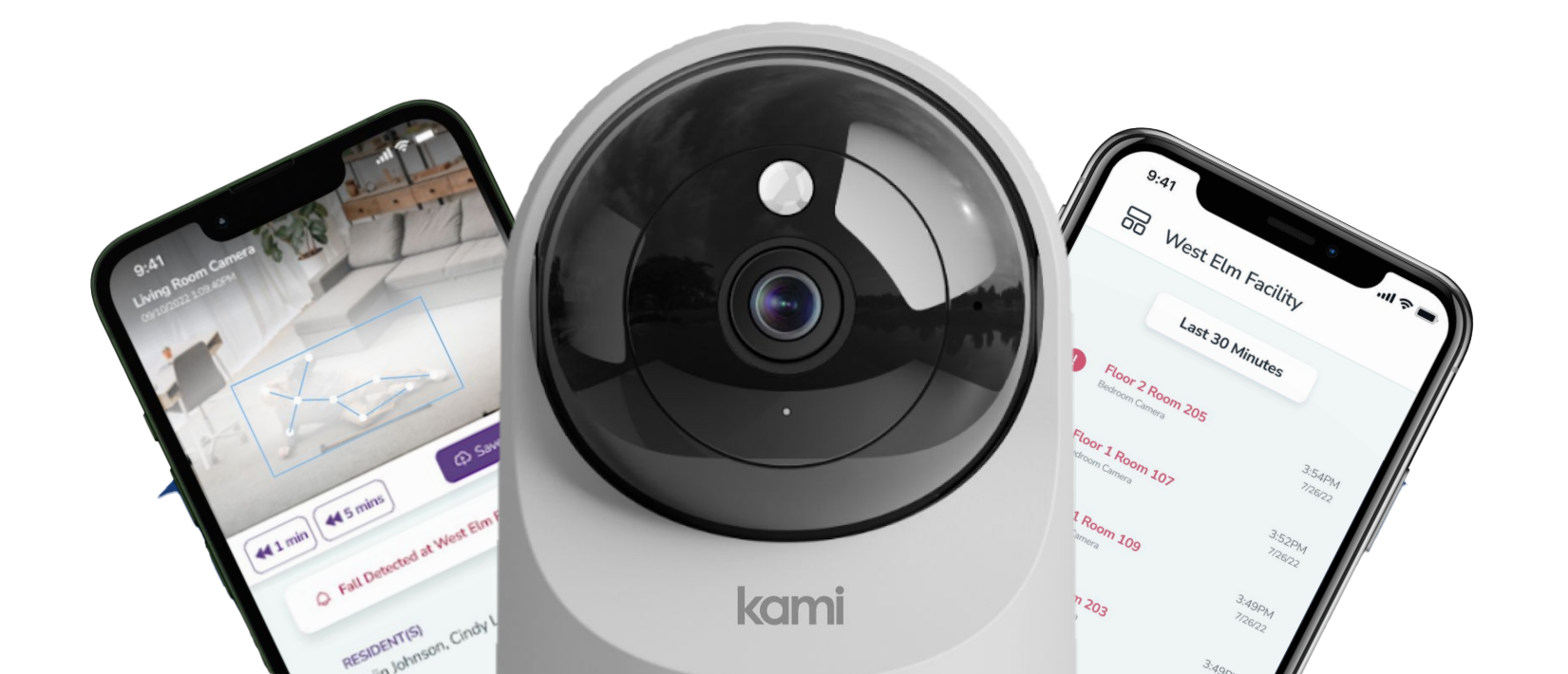
The Hidden Benefits of Fall Prevention Care for Residents, Staff, and Families
Strong Fall Prevention systems do more than reduce accidents. It brings confidence, calm, and better quality of life for everyone involved. When people feel safe, they move more freely. When staff trust their systems, they work with less stress. And when families know their loved ones are protected, they can rest easy.
For residents, the most obvious benefit is safety. Fewer falls mean fewer injuries, hospital visits, and disruptions to their daily life. Many older adults who fall once become frightened to move again. This fear limits independence and leads to faster physical decline. By preventing falls before they happen, residents stay active and independent for longer. They feel more in control of their lives and less like a risk to themselves.
Another major benefit of good Fall Prevention technology is improved wellbeing. A calm environment where residents trust the staff and the systems around them helps reduce anxiety and confusion, especially for people with dementia. When residents know someone will always respond if needed, they rest and sleep better, which improves overall health.
For care staff, effective prevention means time saved and stress reduced. Instead of reacting to emergencies, teams can focus on planned, high-quality care. They gain confidence in their ability to protect residents and meet safety standards. Fewer accidents also mean fewer reports, fewer emergency calls, and smoother shifts.
Families also feel the benefits. Knowing that fall detection technology is watching over their loved one brings peace of mind. It builds trust between families and care providers and encourages open communication. Families can focus on quality time rather than constant worry about falls or injuries.
There is also a financial benefit to prevention. Avoiding hospital stays and staff injuries helps care homes manage costs more effectively. Safer care means fewer insurance claims, stronger inspection results, and better reputations in local communities. In short, the value of prevention stretches far beyond the obvious.
Every part of a care setting improves when falls are controlled. It creates a positive cycle of trust, calm, and wellbeing that helps residents thrive and teams stay strong.
How Fall Detection Technology Changes Everything
When it comes to modern Fall Prevention Care, fall detection technology is changing how homes, hospitals, and supported living providers keep people safe. It is simple, smart, and designed to help carers prevent falls and respond faster when help is needed.
Our fall detection system uses discreet sensors that learn each resident’s normal daily pattern. These sensors are not worn, so there are no devices to charge, no wristbands to remember, and no invasion of privacy. The system watches for small changes that may suggest a fall is about to happen or has already occurred. For example, if a resident who usually sleeps soundly begins to sit up often at night, or spends longer than usual in the bathroom, the system alerts staff so they can step in early.
This technology works quietly in the background. Staff do not need to stand guard or check devices. The alerts are clear, simple, and sent straight to carers’ mobile devices or screens in real time. This means action can happen immediately, even during busy hours or overnight shifts. The system helps reduce response times, which can be the difference between a minor slip and a serious injury.
What makes our fall detection system different is how well it fits into daily care routines. It does not interrupt normal work or require long training sessions. Once installed by Altus Healthcare, teams can use it confidently within hours. The data it provides helps managers track safety trends, spot high-risk times of day, and plan smarter shifts.
Privacy is another key benefit. Many families and residents are uncomfortable with devices in private spaces. The system avoids this problem by focusing only on movement patterns, not images. It protects dignity while still giving staff the insights they need. This balance of safety and respect matters to residents, families and staff alike.
The difference is easy to see in day-to-day life. Staff are calmer. Residents sleep better. Families visit with peace of mind. Managers have clear reports for regulators and inspections. Everyone feels safer because they are.
Behind every successful care home is a team that wants to do more than react. They want to prevent. The right fall detection technology makes that possible. It turns technology into quiet protection, helping carers see the unseen and act before harm occurs.
Choosing the Right Fall Prevention Care System for Your Setting
Selecting the right Fall Prevention system can feel like a big decision, but it becomes simple when you know what to look for. The best systems blend smart technology with human care, giving staff the tools they need to act early and confidently. Here are the main points every care provider should consider before making a choice.
1. Look for true prevention, not just reaction.
Many alarm systems only respond once a fall has already happened. A strong solution predicts and prevents, giving staff a chance to step in before an accident. Good fall detection systems learn daily patterns, recognise risks, and alert carers before the worst occurs. This small difference can change lives.
2. Make sure it fits your space.
Each care environment is unique. Bedrooms, hallways, and bathrooms all present different risks. A good system adapts easily to your layout and can be expanded if needed. Installation should be simple, quiet, and non-disruptive for residents.
3. Ensure your staff can use it with ease.
Technology is only useful if everyone can use it. Training should take minutes, not hours. Clear alerts, visual indicators, and simple controls make the system more effective. A good system is designed so every team member can respond fast, even during busy shifts.
4. Protect privacy at all times.
In care settings, privacy is just as important as safety. Choose systems that use non-intrusive sensors rather than devices where possible. Residents should feel protected, not watched. The right system achieves this balance, offering safety without invading personal space.
5. Ask about ongoing support.
After installation, reliable support keeps everything running smoothly. Choose a provider that offers technical help, maintenance, and upgrades as part of their service. Altus Healthcare provides full training, setup, and continued support for every fall detection system we install, so you’re never left on your own.
6. Consider long-term value, not just cost.
It’s natural to look at price first, but prevention saves money in the long run. Fewer hospital admissions, lower insurance costs, and higher inspection ratings all add up. A strong system pays for itself in safety, reputation, and peace of mind.
7. Read reviews and success stories.
Real-world results speak louder than promises. Look for case studies, testimonials, or proven data from other care homes. Ask how any system has worked in settings like yours, and how those results were measured.
When these points come together, the right choice becomes clear. You want a solution that fits your space, your people, and your values. Look for a system that offers exactly that through thoughtful design and practical support.
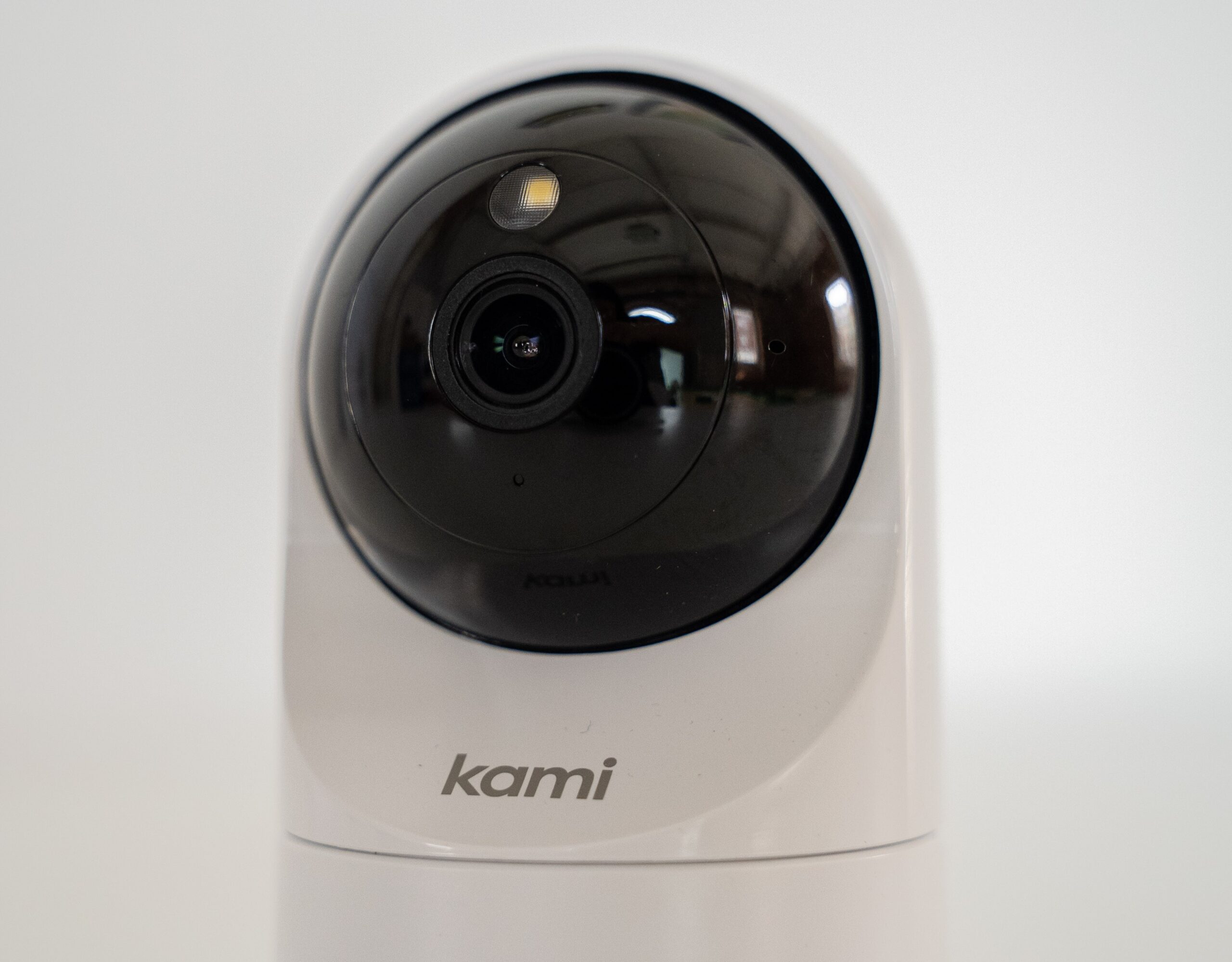
Your Questions Answered: Why We Trust Fall Detection Technology for Safer Living
1. Do Fall Prevention Systems really make a difference?
Yes, it does. Good Fall Prevention Care helps stop injuries before they happen. It reduces hospital trips, keeps residents active, and makes care homes calmer. When you combine daily routines with smart tools like fall detection technology, the result is safer living and less worry for everyone involved.
2. How is modern fall detection technology different from other systems?
Modern fall detection technology works ahead of time. It learns each resident’s normal behaviour and alerts staff when patterns change. This means carers can act before a fall occurs, not after. It does not rely on devices or wearables, keeping residents comfortable and private.
3. Can fall detection technology fit into any care home?
Yes. Our fall detection system is designed to suit all kinds of care settings, from small residential homes to large assisted living spaces. Altus Healthcare handles the installation and setup with minimal disruption, so staff can carry on with their usual routines while the system begins working.
4. Is it hard to use or maintain?
Not at all. The system is made for ease of use. Staff receive simple training and clear alerts, so they always know who needs attention and when. Maintenance and updates are managed by Altus Healthcare, so the system stays reliable and up to date.
5. What kind of support can we expect after installation?
We believe in full partnership. Our Altus Healthcare team provides hands-on support from the first call to long after installation. We help you understand the data, track progress, and keep everything running smoothly. Our goal is to make prevention simple and stress-free.
Ready to make your care home safer today?
We are proud to help care homes, families, and health providers protect the people who matter most. The right fall detection technology gives you confidence, calm, and control from day one. Email info@altushealthcare.co.uk to book a chat or request a free site review. Together, we can make every environment safer and every day more secure.
Frequently asked questions
What causes falls in care homes?
Falls rarely happen by chance. Balance loss, weakening muscles, conditions such as dementia or Parkinson's disease, and new or mixed medication all raise the risk. Lighting, flooring and furniture placement matter too. Many falls happen at night or early morning, when a tired resident gets up to use the bathroom in low light.
How does fall detection technology help prevent falls in care homes?
It uses discreet sensors that learn each resident's normal daily pattern and watch for changes, such as sitting up often at night or spending longer than usual in the bathroom. Staff receive clear alerts on mobile devices or screens in real time, so they can step in early rather than reacting after a fall.
What should a care home look for in a fall prevention system?
Look for true prevention rather than reaction, a system that fits your space, and alerts every team member can use easily. Protect privacy by choosing non-intrusive sensors, ask about training and ongoing support, and weigh long-term value rather than price alone. Ask how any system has worked in settings like yours.