Key points
- Falls prevention awareness week is a chance to turn good intentions into safer daily practice.
- Pressure mats and routine checks leave gaps, while whole-room fall detection with bed and chair exit alerts helps staff act earlier.
- A structured week of baseline, deployment, escalation, tuning, coaching, family briefing and review makes the change stick.
Fall Preventation Awareness Week is a chance for care home leaders to turn good intentions into safer daily practice. It brings focus on simple habits and tools that stop avoidable falls, lighten team load, and give families confidence. For managers, the week is a useful time to review risks, refresh training, and set measurable aims. For nurses, carers and night staff, it is about early warnings that make interventions calm, not rushed. For residents, it is dignity, independence and fewer setbacks.
At Altus Healthcare, we help homes use fall detection technology to achieve these aims. The system provides privacy-first room awareness, bed and chair exit alerts, and reliable fall detection. That means your team sees the moment risk begins, not just the outcome. During Fall Preventation Awareness Week we recommend a short, structured push: prioritise higher-risk rooms, deploy sensors fast, agree escalation rules, and hold huddles to tune alerts. By the end of the week, expect clearer evidence for inspection, faster responses, and fewer missed incidents. Small changes, backed by technology, lift safety and staff morale for everyone.
The Case For Action In UK Care Homes
Falls are common, serious and often preventable in later life. In UK care homes, leaders juggle high need, lean staffing and rising expectations from families and inspectors. Every fall matters. It can mean pain, a hospital trip, lost confidence and a longer path back to independence. It also pulls scarce staff time into paperwork and supervision, leaving less for person-centred support. That is why a focused push during Fall Preventation Awareness Week can shift outcomes for the months ahead.
The numbers explain the urgency. About one in three people aged 65+, and roughly one in two aged 80+, will fall at least once this year. Most incidents happen during everyday moments: getting up at night, reaching for clothing, or standing after a long sit. Small environmental risks add up too, like poor lighting, clutter or furniture that invites leaning but cannot take weight. When homes address these details, outcomes improve quickly.
Traditional approaches leave gaps. They also waste money on consumables and repeat engineer visits. Pressure mats trigger only in a small footprint, so a resident who slides from a chair, settles beside the bed or heads to the bathroom may not raise an alert. Routine checks help but are reactive and labour intensive. They interrupt sleep, take staff off the floor and still risk missing the exact moment a resident tries to stand. Static sensors can be hard to redeploy, need electricians and generate false alarms that staff learn to distrust.
The case for action is to move from chance to design. Use this week to map risk, refresh staff habits and add smart tools that spot the earliest signs of a risky transfer. Wall-mounted fall detection sensors add whole room awareness, early bed and chair exit alerts and reliable fall detection, so teams can intervene before harm and respond fast when needed. Because devices are quick to set up and easy to move, you can start with a few high risk rooms and scale as results arrive. Treat Fall Preventation Awareness Week as a practical programme, not just a poster, and your home can deliver safer days, calmer nights and clearer evidence of learning and improvement.
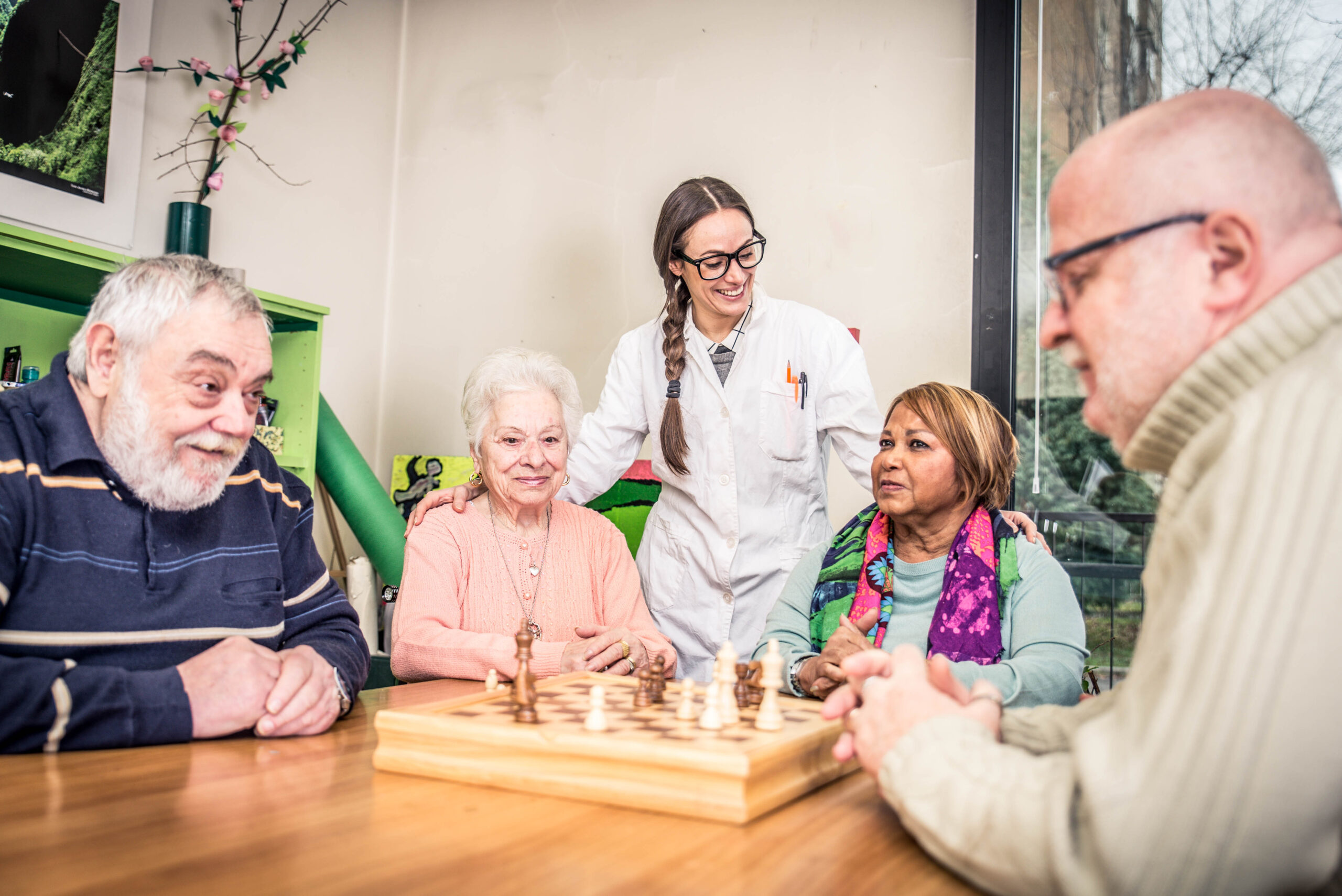
Fall Detection Technology In Practice: Proactive Prevention And Whole-Room Safety
Our fall detection system is designed to spot risk before harm. A compact in-room sensor sits high on the wall or ceiling and understands movement in context. Instead of waiting for someone to hit a pressure mat, it recognises the small cues that usually come first: a shift to the bed edge, a forward lean from a chair, or a hand reaching to push up. When those cues appear, the system sends a bed or chair exit alert so a carer can step in early and support a safe transfer.
If a fall does happen, the system detects it across the whole room. That includes the space beside the bed, the route to the bathroom, and the corner by the wardrobe where mats rarely reach. Alerts include short before, during and after context so teams can see what led up to the event and what support was given, helping managers adjust the care plan quickly and with confidence.
Privacy is built in. The system is designed to protect dignity by using a privacy-first approach so residents are not personally identifiable in routine views. Staff see only what they need to act, and homes retain clear control over access and review.
Typical use cases include residents recently discharged from hospital, people living with dementia who stand without calling, and anyone who is prone to night-time wandering. For these groups, proactive alerts change outcomes. A night carer receives a bed exit alert at 02:14, arrives within seconds and supports a safe transfer to a commode. A lunchtime chair exit alert allows a carer to steady a tired resident before a slide becomes an incident. Because detection covers the whole room, unwitnessed events become rare.
Practical controls keep noise low and trust high. Teams can set quiet hours so routine movement does not trigger at the wrong times. Sensitivity can be tuned per resident, and zones can exclude areas such as a window seat or television. As patterns emerge, settings are refined so the right alerts reach the right people.
Day to day, the system blends into care. Carers carry on with personal support, housekeeping and activities, knowing they will be prompted if a resident starts to stand. Seniors use the context clips to brief families and to coach staff. Managers review weekly dashboards to see hotspots, such as repeated attempts between 02:00 and 04:00, and put in simple fixes like better lighting, footwear checks or scheduled toileting. The result is fewer incidents, faster help when needed, and calmer shifts across the home.
Operations, Privacy And Deployment: Real-Time Alerts, Escalation And Set-Up
When the system raises an alert, it reaches staff on the channels your home already uses. Carers can receive notifications in the mobile app, as automated phone calls, by SMS or by email. Each alert shows the room, time and event type so the responder knows what to expect before arriving. Acknowledgement is simple, and notes can be added to create a clear audit trail.
Escalation rules ensure nothing is missed. If an alert is not acknowledged within a set window, it steps up to the senior on duty, then to the manager if required. Rotas change, so escalation can mirror your staffing pattern for days, nights and weekends. This keeps responsibility clear and response times short.
False alarms drain trust, so controls focus on relevance. Sensitivity can be tailored per resident, quiet hours prevent noise during known routines, and zones exclude areas that would otherwise trigger unnecessarily. As teams review the first few days of alerts, settings are tuned so notifications are timely and actionable rather than frequent and vague.
From an IT perspective, deployment is straightforward. Ensure reliable Wi-Fi in resident rooms and confirm that staff phones can receive app, call and SMS alerts. Set-up is quick: mount the sensor, pair the device, draw avoidance zones, and test an alert on each shift. No electrician is needed to move devices between rooms, which makes room-by-room rollouts simple.
The workflow is easy to adopt. Brief teams in a short huddle, agree who receives alerts at what times, and run a three-day bedding-in period with daily check-ins to tweak sensitivity. Seniors can review the before, during and after context to coach safer transfers, adjust equipment and update care plans. With privacy-first design and clear audit trails, managers gain the visibility they need without adding paperwork, carers feel supported rather than stretched, and residents benefit from faster, calmer help at the exact moment it matters.
One-Week Action Plan, ROI And Buying Guide For Fall Preventation Awareness Week
Seven-day plan
-
Day 1: Baseline. Record current night checks, response times, and unwitnessed incidents in priority rooms.
-
Day 2: Deploy. Mount sensors, pair devices, draw zones, and enable bed/chair-exit alerts.
-
Day 3: Escalation. Define who receives first alerts, who backs up, and the escalation window for days and nights.
-
Day 4: Tune. Adjust sensitivity per resident and set quiet hours to reduce noise.
-
Day 5: Coach. Use before/during/after context to refine transfers, footwear, lighting, and toileting routines.
-
Day 6: Communicate. Brief families on the privacy-first approach and the changes implemented.
-
Day 7: Review. Compare this week with baseline: incidents, missed events, response times, and staff feedback.
Measuring impact and ROI
Track prevented slides to the floor, reduced time-to-response, fewer “no-finding” checks, lower spend on disposable mats and engineer call-outs, and time saved on paperwork. With no electrician required and easy room moves, start in high-risk rooms and scale as savings prove out.
Pilot checklist
-
Priority rooms identified
-
Alert routes configured
-
Escalation rules agreed
-
Quiet hours set
-
Sensitivity per resident tuned
-
Staff brief completed
-
Family communications recorded
-
Week-one review scheduled

Next step
Ready to put this into practice? Book a fall detection demo with Altus Healthcare. We will help you scope the pilot, configure alerts, train your team, and measure results, so awareness week turns into lasting, safer care.
Frequently asked questions
How should a care home use falls prevention awareness week?
Treat it as a practical programme, not a poster. Prioritise higher-risk rooms, record a baseline, agree who receives alerts and how they escalate, tune alert settings, coach staff on safer transfers, brief families, then review against the baseline. Small, structured changes backed by technology lift safety and staff morale.
Why are pressure mats not enough to prevent falls in care homes?
Pressure mats only trigger in a small footprint. A resident who slides from a chair, settles beside the bed or heads to the bathroom may not raise an alert. Static sensors can be hard to move, need electricians and generate false alarms that staff learn to distrust, while routine checks stay reactive.
How do you reduce nuisance alerts from a fall detection system?
Tune sensitivity for each resident, set quiet hours so routine movement does not trigger at the wrong times, and draw zones that exclude areas such as a window seat. Review the first few days of alerts as a team and refine settings so notifications are timely and actionable rather than frequent and vague.