Key points
- Integrated care home systems bring care plans, medication records and daily updates into one place.
- Real-time records help staff spot changes early and make safer decisions for residents.
- Keeping records organised in one system makes compliance and inspections easier.
Running a care home comes with plenty of moving parts, managing staff rotas, tracking medication, keeping families updated, and making sure residents get the right support every day. Trying to juggle all of this using separate systems or paper records can lead to mistakes and wasted time. That’s where integrated care home systems come in. By bringing everything into one place, these tools help teams stay organised and focus more on what really matters, looking after people. Whether you’re dealing with daily reports or coordinating care plans, having one system that connects it all just makes life easier for everyone involved.
Streamline Communication Between Staff and Departments
Care homes often face delays when teams dont have quick access to the same information. Paper notes, phone calls, and emails can slow things down. When multiple people look after a resident, missing details can lead to confusion or mistakes. That’s whereeiintegrated care home systemseicome in.
These systems bring all updates into one place. Instead of checking different folders or waiting for someone to respond, staff can log in and see what they need straight away. This helps nurses, carers, and managers stay on the same page without chasing each other for answers.
Let’s say a carer notices a change in a resident’s appetite. With an integrated system, they can record it right away on their device. A nurse sees this update during their shift and follows up quicker than if they had waited for handover notes or verbal updates.
Different departments also benefit from faster communication. For example, kitchen staff can view dietary changes as soon as they’re added by healthcare workers. Maintenance teams can get alerts if something needs fixing in a room without needing separate requests.
Instead of passing messages between shifts or departments through sticky notes or printed forms, everyone gets updates live as they happen. This reduces missed tasks because nothing gets lost along the way.
Having fewer tools to manage also means less time switching between apps or software programs. One login gives access to everything needed, care plans, medication records, and cleaning schedules, all updated in real time.
With smoother communication across teams, residents receive more consistent attention because there is less room for error or delay when sharing information about their needs.

Improve Resident Outcomes Through Data-Driven Decisions
Care homes deal with many tasks every day. From giving medication to checking vital signs, there’s a lot to manage. When staff have access to real-time records, they can make better choices on the spot. That’s whereeiintegrated care home systemseicome in.
These systems let nurses and carers see up-to-date information about each resident. Whether it’s recent test results or changes in behaviour, everything is stored in one place. This helps teams act quickly when something isnt right. For example, if someone shows signs of confusion or pain, staff can check their history straight away and respond with the right steps.
Having clear data also means fewer mistakes. If records show that a resident has reacted badly to a certain medicine before, care workers can avoid using it again. This lowers risks and keeps people safer.
Teams dont need to rely on memory or paper notes anymore. With digital tools tracking trends over time, patterns become easier to spot. If someone’s eating less or sleeping poorly for several days, the system highlights it early on so action can be taken before things get worse.
Managers can also use this data to plan better staffing levels and training needs based on what residents actually require day by day, not just guesses from past routines.
Family members often want updates, too. With accurate records available instantly, staff can share details confidently without needing long searches through files or folders.
Better decisions start with better information. When teams know more about what’s going on right now, and not just last week, they’re more likely to choose actions that help residents feel well and stay safe longer.
Enhance Operational Efficiency with Integrated Care Home Systems
Running a care home involves many tasks. Staff manage records, medication schedules, appointments, and daily routines. When these things happen on different systems or paper forms, it slows everything down. Mistakes can also happen more easily.
Care home systemseibring all of this into one place. Instead of switching between tools or filling out the same details more than once, staff use one system for everything. This means fewer errors and faster access to information. It also cuts down on the need to repeat data entry across multiple files.
For example, when a resident’s health record updates in the system, that change shows up wherever it’s needed, care plans, medication logs or handover notes. There’s no need to copy it over manually into other documents. That saves time and keeps things accurate.
Staff can also find what they need without searching through piles of paper or logging into several platforms. This helps them respond quickly during busy shifts or emergencies.
Fewer forms mean less printing and storage, too. That reduces clutter in offices and helps keep things tidy and safe from loss or damage.
By cutting back on admin tasks like filing reports or chasing missing info, carers have more time for residents themselves, whether that’s helping with meals, going for walks together, or just having a chat.
Managers benefit as well; they get better oversight of how things run day-to-day without needing extra meetings or emails to check progress.
When all parts of care link together through one reliable system, everyone works smarter, not harder, and residents feel that difference in their daily support.
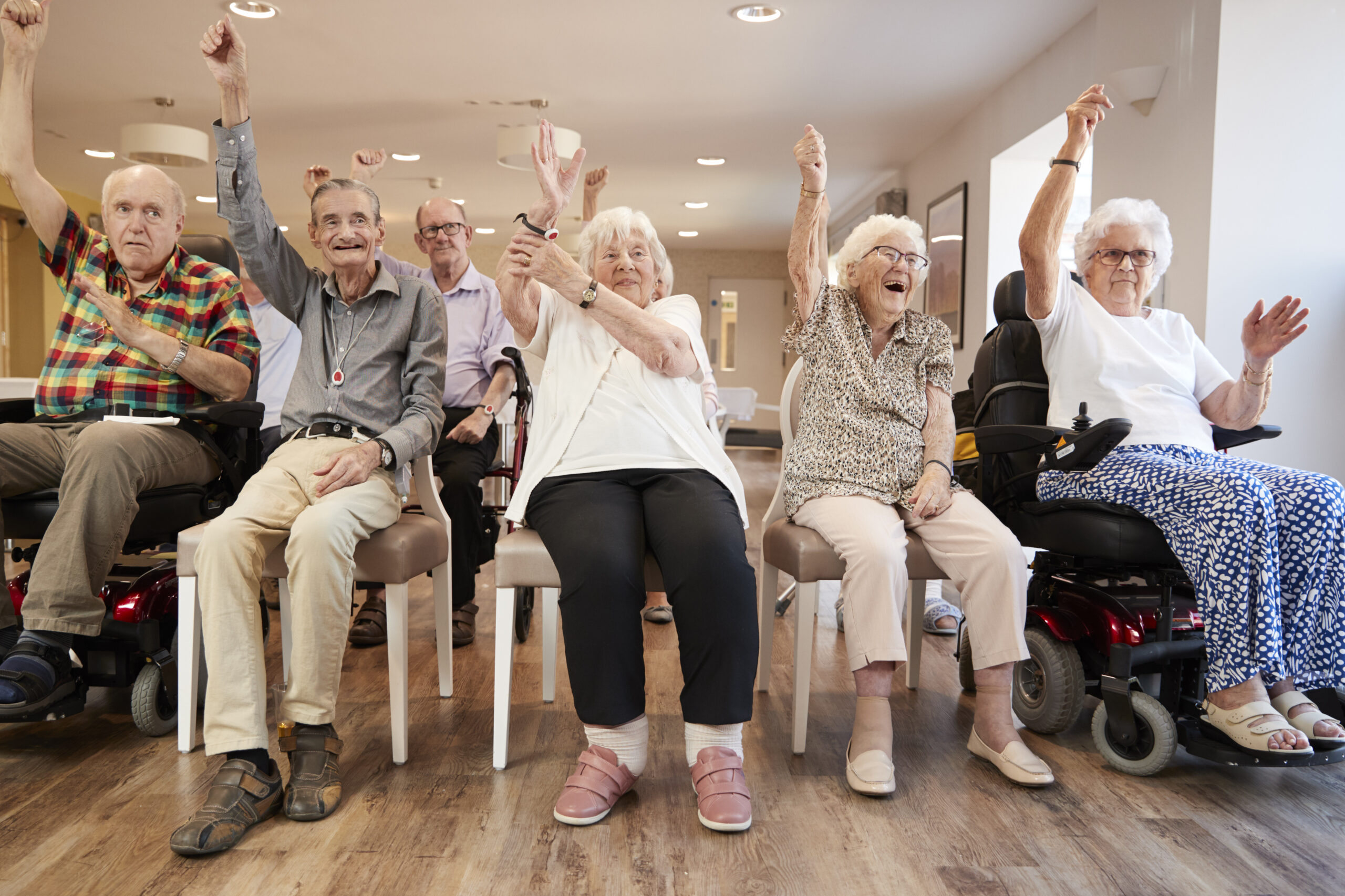
Group Of Seniors Enjoying Fitness Class In Retirement Home
Ensure Compliance and Accurate Reporting
Staying on top of rules and checks is a big part of running a care home. With so many tasks to handle each day, it’s easy to miss something important. That’s whereeiintegrated care home systemseicome in handy. They help keep records clear, up-to-date, and ready when needed.
One key feature is the way they track medication. Staff can record what was given, when it was given, and how much. The system stores this information right away. That means there’s no need to write things down by hand or worry about missing details. If an inspector asks for proof that medication has been given properly, the data is already saved.
The same goes for incident reports. When something happens, like a fall or injury, it needs to be logged quickly and correctly. These systems make that simple. Staff enter the details into one place, and managers can review everything without hunting through paper files.
Training records matter too. Care workers must complete courses regularly to meet legal standards. With an automated system, training dates get tracked as soon as they’re done. Managers can see which staff members still need updates or refresher sessions at any time.
Audits used to take hours of digging through folders or spreadsheets. Now all the information sits in one spot, easy to find and share with inspectors if asked.
This setup cuts down on errors because there’s less manual input involved. It also saves time during checks since everything is already organised.
By using tools like these, teams spend less time chasing paperwork and more time focusing on residents’ needs, all while staying within official guidelines without extra stress around inspections or missed reports.
Driving Better Care Through Smarter Systems
As care homes face growing demands, embracing integrated care home systems is proving essential for delivering high-quality, efficient support. By streamlining communication across teams, enabling data-led decisions, and improving day-to-day operations, these systems help staff focus more on residents’ well-being. They also make it easier to stay compliant and produce accurate reports without the usual hassle. Ultimately, it’s about creating a smoother, more connected environment where both staff and residents thrive. Investing in the right technology isnt just smart, it’s becoming a must for any care home looking to raise standards and stay ahead of the curve.
Frequently asked questions
What is an integrated care home system?
It is one system that brings care plans, medication records, cleaning schedules and daily updates into a single place. Instead of juggling paper records and separate tools, staff log in once and see what they need, updated in real time. That helps teams stay organised and focus on looking after residents.
How do integrated systems improve communication in a care home?
Updates go into one place and everyone sees them as they happen. A carer can record a change in appetite and a nurse sees it during the shift. Kitchen staff see dietary changes and maintenance teams get alerts. Fewer sticky notes and handover gaps mean fewer missed tasks for residents.
Can a care home management system help with CQC compliance?
Yes. It keeps medication records, incident reports and training records clear, up to date and ready when inspectors ask. Audits that once meant digging through folders become simpler because information sits in one place. Less manual input means fewer errors, and staff spend less time chasing paperwork and more time with residents.