Key points
- Care home fall prevention tech helps staff spot risks earlier and respond faster.
- Wearables and pressure-based systems leave gaps because devices go unworn or sensors fail to trigger.
- AI-based fall detection learns each resident's habits and supports staff decisions rather than replacing them.
Keeping residents safe is a top priority in any care home, especially when it comes to preventing falls. These accidents can lead to serious injuries and a lot of stress for both residents and staff. That’s why more care homes are turning toeicare home fall prevention tech to help spot risks earlier and respond faster. From simple sensor mats to smart monitoring systems, this technology is changing how teams manage safety on a daily basis. It’s not about replacing people, it’s about giving carers better tools to do their jobs and helping residents stay as independent as possible. One of the most recent and revolutionary bits of technology is wall-mounted fall detection, combining video and AI software. Before we look at that technology and why it is the only real reliable alternative that aligns with the 2030 digital agenda let’s have a look at some of the previous methods and products for the future and see why the old tech is defunct & where the technology may be going in the future.
Smart Flooring Systems
Smart flooring is a tool being developed for the future to support safety in care settings. These floors would pick up on changes in movement, such as a person stumbling or falling. They respond by sending an alert straight to the staff so help can be given quickly. This setup allows teams to act fast without needing constant device checks or direct supervision. The sensors will track pressure and motion, giving useful data about how people walk or shift their weight over time. If someone starts to show signs of unsteady movement, staff might notice before a fall even happens.
The technology will work well with other tools already used in care homes. It links into nurse call systems and mobile devices so alerts go straight to those who need them most. That means less delay between when something happens and when someone arrives to help. One reason this is going to be a big jump for care home fall prevention tech is that it will support both residents and staff without being obvious or intrusive.
There was an equivalent to this developed previously however the reliability of these pressure based systems was poor and due to the unreliability of this system wall-mounted fall detection systems have been developed and are at the forefront of fall prevention technology.
Wearable Monitoring Devices
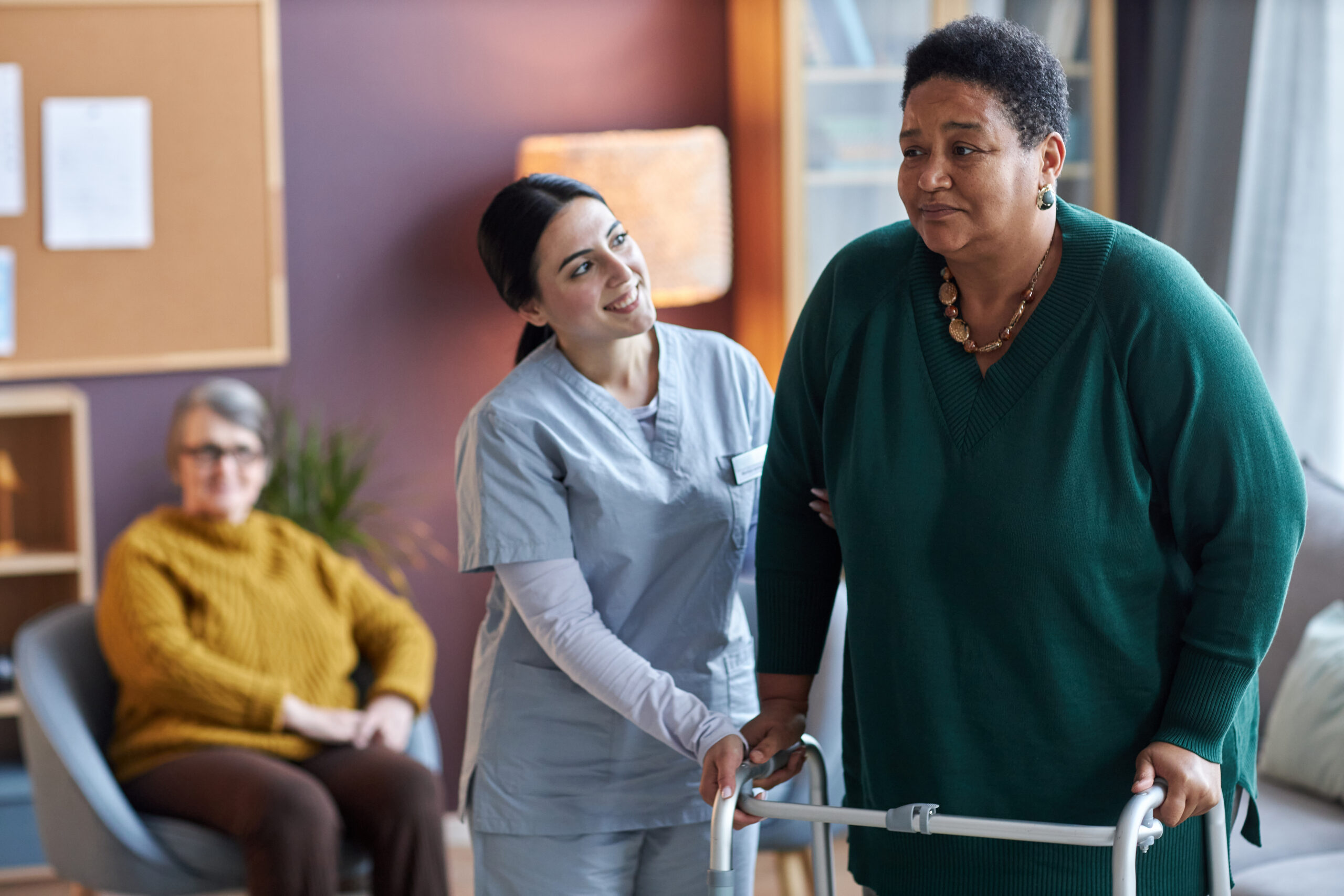
Wearable devices have become more common in care settings however are still lacking compared to wall-mounted fall detection. These small tools can be worn on the wrist, ankle or clipped to clothing. They track body movements and measure things like heart rate or walking patterns. Staff use them to keep an eye on changes without needing to be in the room all the time. These monitors help spot when someone might fall before it happens. If a resident moves in an unusual way, the device sends out a quick alert. Carers then get notified straight away through their phone or another system. This lets them act fast and check on the person before anything worse happens.
Some wearables also show if someone has already fallen, however this is almost too late and will not help prevent falls in future. This is useful at night or when residents are alone in their rooms. The alert tells staff where they need to go, so there’s no delay in offering help. The devices Most people forget they’re even wearing one after a while (however this also means that people do forget to wear them!).
As care home fall prevention tech continues to grow, wearable monitors offer practical support that fits into everyday life without fuss. These tools are no longer recommended as it’s another item that is required to be worn and if batteries run out or the residents forget to put it on it wasnt preventing anything. The now recommended technology is wall-mounted fall detection systems that instead of requiring an item to be worn work in conjunction with a device that is constantly monitoring. This device does not need batteries recharging or any type of item to be worn to effectively prevent falls.
AI-Powered Video Analytics for Fall Detection
AI-powered video tools, such as wall-mounted fall detection sensors, now help care staff spot risks before someone gets hurt. These systems use smart software to watch live device feeds from shared areas like lounges, hallways, and dining rooms. They track how people move and can tell when someone might be unsteady or showing signs of distress. Instead of waiting for a fall to happen, the system flags strange movement patterns early. For example, if a resident moves slower than usual or seems off balance, it sends an alert. Staff can then check in quickly and give support if needed. This kind of quick response helps cut down on falls and injuries.
One major plus is that these systems focus on safety without recording private moments. Many setups blur faces or only monitor outlines, so residents keep their privacy while still being protected. The goal isnt to watch every step but to notice when something looks off. Over time, the software learns more about each person’s habits. If someone usually walks slowly but suddenly starts moving faster or swaying side-to-side, it knows something might be wrong. It adapts its alerts based on what’s normal for each resident.
This type ofeicare home fall prevention tech doesnt replace human care workers – it supports them. Staff still make all the decisions but get extra help spotting early warning signs they might miss during busy hours with the fall detection system. These tools also create reports that show trends over days or weeks. Managers can use this information to see which times of day carry more risk or which areas need changes in layout or supervision. Using this technology gives teams better awareness without needing more staff on shift at all times. It adds another layer of safety that works quietly in the background while everyone goes about their daily routine.
Care Home Fall Prevention Tech Revolutionising Resident Safety
New tools in care homes now help spot risks before someone falls. These fall detection systems use sensors to track movement. They notice changes in how people walk or get up from chairs and beds. If something looks unusual, the system sends a warning to staff. This gives them time to check on the person before anything happens. Some of these tools also integrate AI. That means they learn patterns over time. If a resident starts walking more slowly or struggles with balance, the system picks it up quickly. It doesnt just react – it spots signs early so staff can step in sooner.
Many homes now rely on care home fall prevention tech because it helps reduce accidents without needing more hands on shift. Staff still do their rounds, but now they have extra support that runs all day and night. That makes things safer for everyone involved. Data is another part of this setup. The tech collects information over days and weeks, showing trends that might not be obvious right away. For example, if someone gets out of bed more often at night than usual, the system notices it and flags a possible issue like poor sleep or confusion.
With this kind of detail available, care teams can make better choices about what each person needs, whether that’s new slippers with grip or extra checks during certain times of day. This approach doesnt replace people; instead, it gives them better tools to do their job well and keep residents safer without guessing what might happen next.
Fall Detection Technology is Changing the Way We Keep Residents Safe
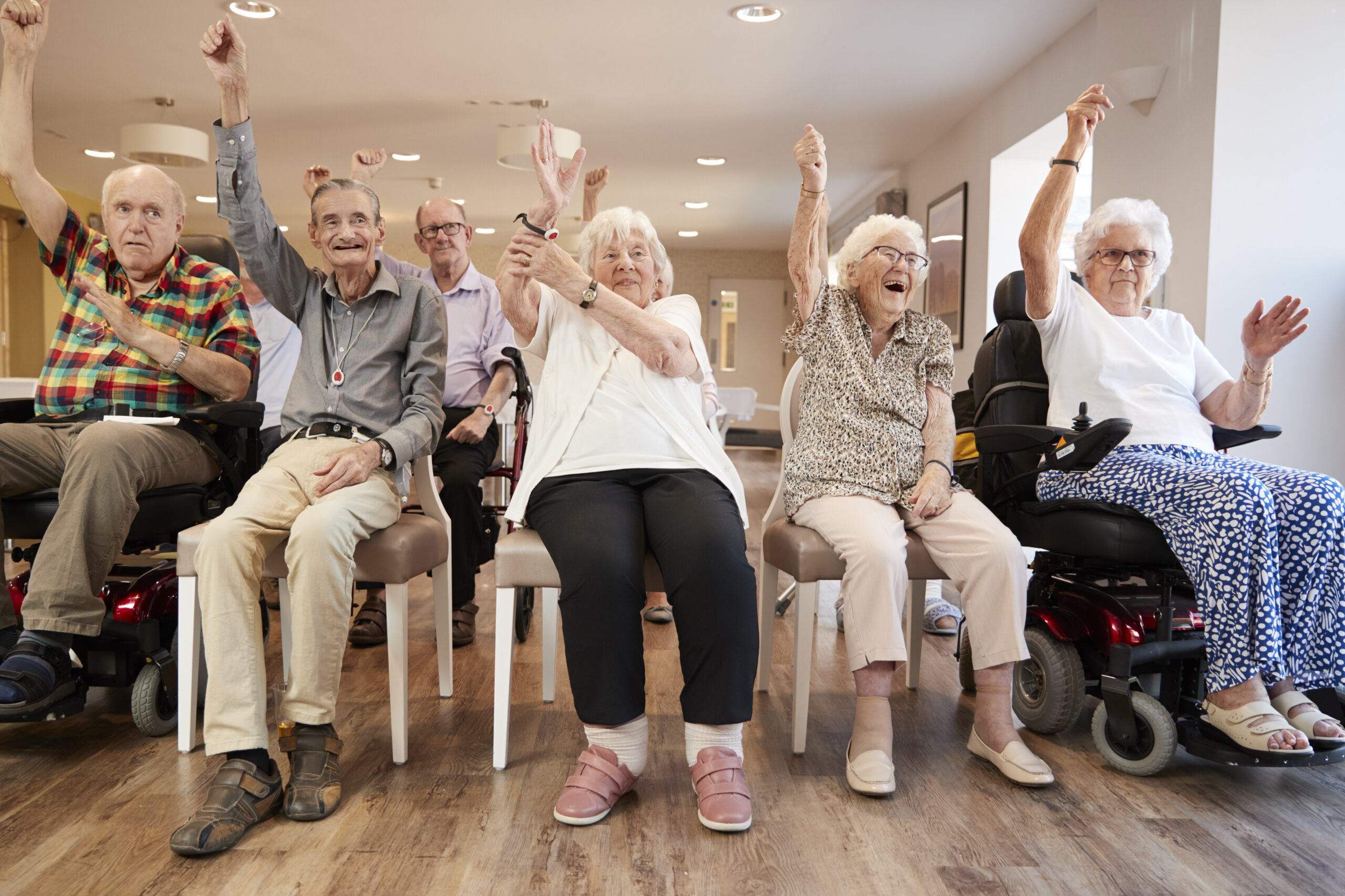
As technology continues to evolve, so too does our ability to protect vulnerable individuals in care settings. From smart flooring systems that detect unusual movement to wearable devices and AI-powered video analytics, care home fall prevention tech is making a real difference in keeping residents safer. These innovations not only help staff respond faster but also support a more proactive approach to fall prevention. By embracing these tools, care homes can create a more secure and responsive environment, giving both residents and their families greater peace of mind. The future of elderly care is looking smarter and safer every day.
Frequently asked questions
What fall prevention technology is available for care homes?
Options include smart flooring that senses pressure and motion, wearable devices worn on the wrist, ankle or clothing, and AI-powered video analytics that learn how residents move. The aim is the same: help carers spot risks earlier, respond faster and keep residents independent, without replacing the people who deliver care.
Are wearable fall detectors a good choice for care home residents?
Wearables can track movement and send alerts, but they have real drawbacks. Batteries run out, residents forget to put them on, and a device that is not worn prevents nothing. Many only show that someone has already fallen. Systems that monitor the room need nothing worn and no recharging.
Does AI fall detection replace care staff?
No, it supports them. Staff still make all the decisions, but the system flags early warning signs they might miss during busy hours, such as a resident moving more slowly or swaying. Reports showing trends over days or weeks help managers see which times of day and which areas carry more risk.